Gout (Almuranga) Treatment Cost in the Philippines 2026
Quick Answer: A uric acid blood test costs around ₱220–₱350 at Hi-Precision (₱150–₱500 across labs nationwide). Daily maintenance medicine — allopurinol or febuxostat — runs ₱150–₱950 a month depending on brand and dose. An acute attack adds a short course of colchicine (₱4–₱5/tablet) or an NSAID like etoricoxib (₱62.75–₱87.25/tablet), plus a doctor's consult (₱500–₱3,000). Gout is not confirmed on PhilHealth's 75-medicine GAMOT free-drug list as of July 2026, so most patients pay out of pocket or use LGU health center stock.
Table of Contents
- How much does a uric acid test cost?
- How much does daily gout maintenance medicine cost?
- How much do acute gout attack medicines cost?
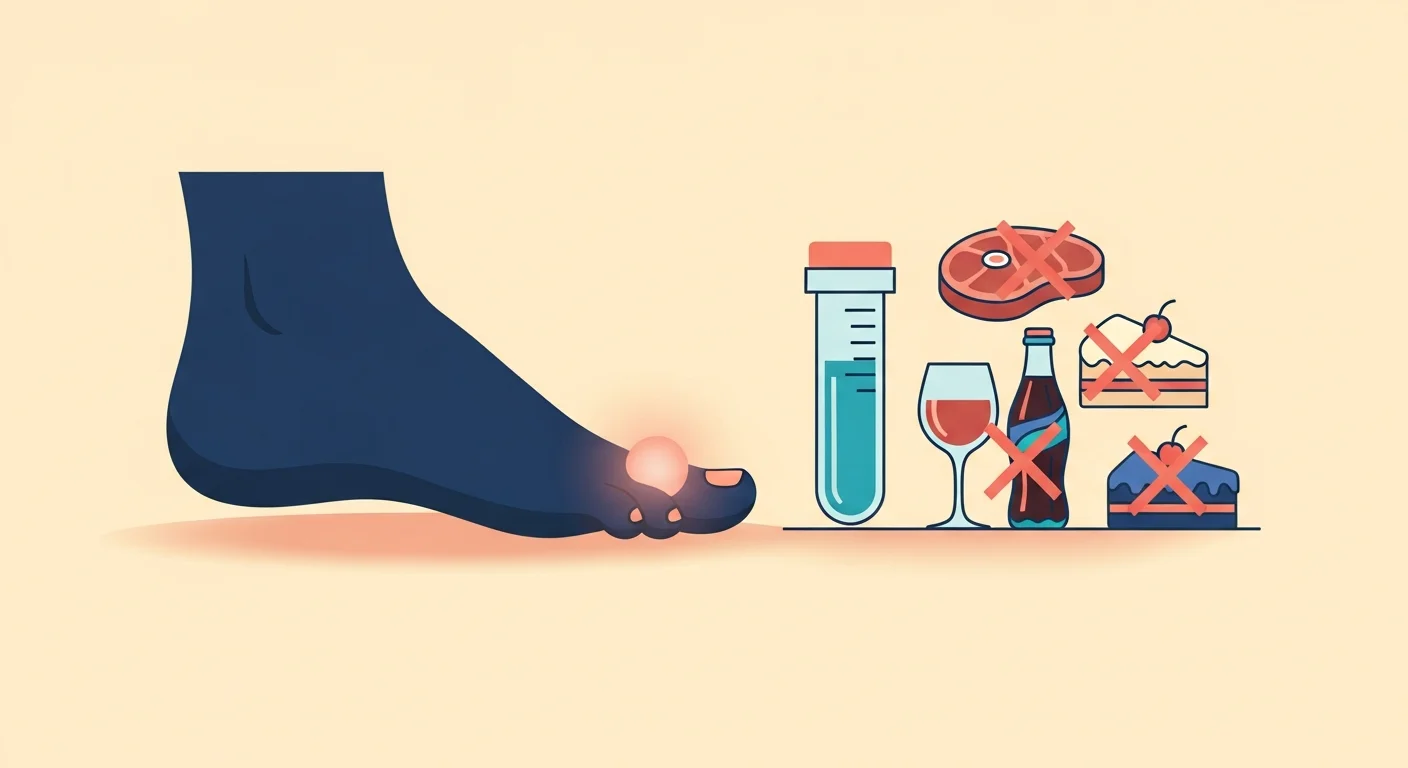
- What triggers gout attacks in a Filipino diet?
- Is gout medicine covered by PhilHealth or free anywhere?
- How much does a doctor's consultation for gout cost?
- When should you see a doctor for gout?
- Monthly cost scenarios
- Frequently Asked Questions
How much does a uric acid test cost?
A blood uric acid test costs ₱220–₱350 at Hi-Precision Diagnostics, one of the country's largest diagnostic chains, with same-day results at most branches. Prices at other labs and hospital-based diagnostic centers generally fall in a wider ₱150–₱500 range depending on the city and whether it's bundled into a package (such as a diabetic or renal health panel that already includes uric acid).
Doctors typically order this test to confirm hyperuricemia (high uric acid) after a suspected gout attack, and again periodically — every 3–6 months once you're on maintenance medicine — to check whether your dose is bringing uric acid down to target (usually below 6 mg/dL for someone with gout). Ask your lab for the exact current price before your visit, since branch pricing can shift.
How much does daily gout maintenance medicine cost?
Between attacks, most doctors prescribe a daily urate-lowering drug — usually allopurinol first, with febuxostat as a second option if allopurinol isn't tolerated or isn't effective enough. Verified retail prices as of July 2026:
| Medicine | Typical dose | Price per tablet | Est. monthly cost (30 tabs) |
|---|---|---|---|
| Allopurinol 300mg (generic/branded) | Once daily | ₱5.00–₱23.00 | ₱150–₱690 |
| Febuxostat 40mg (Febuday, Furic, Atenurix, Urinorm) | Once daily | ₱19.50–₱31.75 | ₱585–₱950 |
Sources: retail listings for Alluprex, Loricid, and Allurase allopurinol 300mg, and Febuday, Furic, Atenurix, and Urinorm febuxostat 40mg on Watsons Philippines and MedsGo Pharmacy, checked July 2026. Prices vary by brand and branch — generic (unbranded) allopurinol tends to sit at the low end of the range, branded versions at the high end.
Your doctor sets the actual dose (allopurinol usually starts at 100mg and is titrated up based on uric acid levels, sometimes to 300mg or higher), so the table above is a starting-dose estimate, not a fixed monthly bill. Never self-adjust the dose — starting allopurinol during an active flare, or raising the dose too quickly, can trigger a worse attack.
How much do acute gout attack medicines cost?
A gout flare is treated differently from daily maintenance — the goal is fast inflammation control, not lowering uric acid (which is actually paused or kept steady during an attack). The two common options:
| Medicine | Use | Price per tablet | Typical course cost |
|---|---|---|---|
| Colchicine 500mcg | Short course at attack onset | ₱4.00–₱5.00 | ~₱40–₱60 (10–12 tablets) |
| Etoricoxib (Arcoxia) 90mg | NSAID, up to 8 days for acute gout | ₱72.75 | ~₱580 (8 tablets) |
| Etoricoxib (Arcoxia) 120mg | NSAID, up to 8 days for acute gout | ₱87.25 | ~₱698 (8 tablets) |
Sources: RiteMed Colchicine 500mcg and Goutsaph Colchicine 500mcg listings (Watsons, Rose Pharmacy), and Arcoxia (etoricoxib) listings on Watsons Philippines, checked July 2026. A Department of Health hospital pharmacy price list separately shows colchicine near ₱4.10/tablet, consistent with the retail range above.
Cheaper generic NSAIDs (mefenamic acid, diclofenac, naproxen) are also used for gout pain and cost less per tablet than etoricoxib, but etoricoxib is the one most Philippine doctors reach for specifically for acute gout because of its once-daily dosing and shorter course. Whichever drug is used, an acute attack is treated for days, not months — the ongoing cost driver is the daily maintenance medicine above, not the flare treatment.
What triggers gout attacks in a Filipino diet?
Gout attacks are linked to high blood uric acid, and diet is one factor that can push levels up — though genetics, kidney function, weight, and alcohol matter too. According to the Philippines' National Nutrition Council and guidance compiled by Filipino Doctors, foods high in purines (which the body breaks down into uric acid) include:
- Isda (certain fish) and seafood — anchovies (dilis), sardines, mackerel (hasa-hasa, alumahan), herring, scallops, and other small oily fish
- Atay and other organ meats (laman-loob) — liver, kidney, and dishes built around them like goto and dinuguan
- Alamang and other shellfish/fermented seafood — shrimp paste and similar high-purine seafood products
- Beer and other alcoholic drinks — beer in particular is linked to gout flares independent of its purine content, because alcohol also slows the kidneys' ability to clear uric acid
- Sugar-sweetened drinks — sodas and other high-fructose beverages, which raise uric acid production
This is general dietary information, not medical advice — a doctor or dietitian can tailor a purine-restricted diet to your specific case, especially if you have other conditions like kidney disease or diabetes. Cutting back on the foods above (rather than eliminating them entirely) alongside your prescribed medicine is the usual approach, since diet changes alone rarely control gout as effectively as urate-lowering medicine does.
Is gout medicine covered by PhilHealth or free anywhere?
Not confirmed. PhilHealth's GAMOT benefit under the YAKAP program covers 75 types of maintenance medicines — up to ₱20,000 a year, no cash-out — but the published coverage focuses on hypertension, diabetes, asthma/COPD, high cholesterol, heart conditions, infections, and related supportive drugs. As of this writing, allopurinol, febuxostat, and colchicine are not listed among GAMOT's confirmed categories; check the current formulary with your PhilHealth-accredited GAMOT facility, since the list can be updated by circular.
Other free or low-cost routes worth checking before paying full retail:
- LGU health centers (RHUs) and Botika ng Barangay — many stock generic allopurinol as part of routine chronic-disease management; availability varies by city/municipality and changes with local budget cycles.
- DOH Medicine Access Programs — periodically distribute maintenance medicines for select chronic conditions through public hospitals; ask the hospital's pharmacy or social worker if gout medicine is currently included.
- Government hospital outpatient pharmacies — often sell generic allopurinol at below-retail prices even when not free, since government facilities buy at bulk/DOH-negotiated rates.
See our full Free Medicines (GAMOT) in the Philippines guide for how to register for YAKAP, which of the 75 medicines are confirmed, and how to check if your local GAMOT facility has gout medicine in its actual stock — the published list and a specific pharmacy's shelf don't always match.
How much does a doctor's consultation for gout cost?
A general practitioner or internal medicine consultation for a suspected gout attack typically costs ₱500–₱1,500 in a private clinic, while a rheumatologist (the specialist for gout and other joint/autoimmune conditions) charges roughly ₱1,300–₱3,000 per visit, depending on the hospital and doctor's seniority. Teleconsultation platforms like KonsultaMD offer a cheaper first-line option at around ₱300–₱600 per consult, useful for getting a prescription refilled or asking whether your symptoms need an in-person visit.
Most patients don't need a rheumatologist for a first gout attack — a GP or internal medicine doctor can usually diagnose gout from symptoms, uric acid levels, and joint exam, and refer to a rheumatologist only for recurrent attacks, uncertain diagnosis, or gout that doesn't respond to standard treatment. Government hospitals (PGH, regional medical centers) offer subsidized specialist consultations for PhilHealth members, usually well below private clinic rates.
When should you see a doctor for gout?
See a doctor promptly if you have sudden, severe joint pain and swelling — classically the big toe, but also the ankle, knee, wrist, or fingers — especially if the joint is red, hot to the touch, and painful enough that even a bedsheet touching it hurts. A first-ever attack should always be checked by a doctor to confirm it's gout and not an infection (septic arthritis) or another type of arthritis, since the treatments are very different and a missed joint infection can be dangerous.
Seek care the same day (ER or urgent care) if the joint pain comes with fever, chills, or the joint looks infected (spreading redness, warmth, or pus), since this can signal septic arthritis, a medical emergency. For recurring gout, see a doctor if you're having attacks more than 2–3 times a year, if uric acid stays high despite medicine, or if you notice tophi (visible uric acid deposits under the skin, usually near joints) — signs that your current treatment plan needs adjusting. This is general information, not a diagnosis; use ClinicFinderPH search or the near-me clinic and hospital finder to find care close to you.
Monthly cost scenarios
| Scenario | What's included | Estimated monthly cost |
|---|---|---|
| Newly diagnosed, first uric acid test | Uric acid test + GP consult + starter allopurinol supply | ₱1,220–₱4,850 (one-time, first month) |
| Stable maintenance, generic allopurinol | Daily allopurinol 300mg only | ₱150–₱690/month |
| Stable maintenance, febuxostat | Daily febuxostat 40mg only | ₱585–₱950/month |
| Maintenance + occasional flare | Daily medicine + one colchicine or etoricoxib course during a flare month | ₱190–₱1,650 (flare months only) |
| Maintenance + quarterly monitoring | Daily medicine + uric acid recheck every 3 months | Add ₱50–₱170/month averaged (test cost ÷ 3) |
These are cost estimates built from the verified per-tablet and per-test prices above, not a published bundled price from any single provider — your actual spend depends on brand choice, dose, how often you flare, and whether you can access any free-medicine route.
Frequently Asked Questions
Magkano ang gastos sa gamot sa almuranga (gout) sa Pilipinas?
Kung generic allopurinol 300mg isang beses araw-araw, mga ₱150–₱690 kada buwan. Kung febuxostat naman, mga ₱585–₱950 kada buwan. May dagdag na gastos ang uric acid test (₱220–₱350) at kung may biglaang atake, dagdag pa ang colchicine o NSAID (₱40–₱700 depende sa gamot).
Is allopurinol or febuxostat cheaper for gout?
Allopurinol is generally cheaper — generic 300mg tablets start around ₱5.00, versus febuxostat 40mg starting around ₱19.50 per tablet. Allopurinol is also the standard first-line drug most Philippine doctors prescribe, with febuxostat reserved as a second option if allopurinol doesn't work or isn't tolerated.
How much is a uric acid test in the Philippines?
Around ₱220–₱350 at Hi-Precision Diagnostics, with a broader ₱150–₱500 range across other labs and hospital-based diagnostic centers nationwide. It's a routine blood test with same-day results at most branches — no fasting is usually required, but confirm with your specific lab.
Is gout medicine free under PhilHealth GAMOT?
Not confirmed as of July 2026. PhilHealth's GAMOT benefit covers 75 types of medicines up to ₱20,000/year, but the published list focuses on hypertension, diabetes, asthma/COPD, cholesterol, and heart conditions — gout drugs are not confirmed among them. Check with your GAMOT-accredited facility directly, or ask your LGU health center if they stock generic allopurinol.
What foods should someone with gout avoid in a Filipino diet?
High-purine foods linked to gout flares include organ meats (atay/liver), certain fish and seafood (dilis, sardinas, alumahan), shrimp paste (alamang), and beer or other alcoholic drinks, per the National Nutrition Council. This is general dietary guidance, not medical advice — pair it with your doctor's specific recommendations, especially if you have other health conditions.
How much does an acute gout attack cost to treat?
A short colchicine course (10–12 tablets) costs roughly ₱40–₱60, while an 8-day etoricoxib (Arcoxia) course runs about ₱580–₱698 depending on dose. Add a doctor's consultation (₱500–₱3,000) if it's your first attack or the pain is severe enough to need evaluation before starting treatment.
When is gout pain a medical emergency?
If the painful joint comes with fever, chills, or spreading redness and warmth, go to the ER immediately — this can signal a joint infection (septic arthritis), not a typical gout flare, and needs urgent evaluation. A first-ever attack of severe joint pain should also be checked by a doctor promptly to confirm the diagnosis.
Conclusion
Gout treatment in the Philippines splits into two costs: a small, occasional flare-up cost (colchicine or an NSAID, roughly ₱40–₱700 per episode) and an ongoing monthly maintenance cost (allopurinol or febuxostat, ₱150–₱950) that continues for as long as your doctor keeps you on treatment. A uric acid test (₱220–₱350) helps confirm the diagnosis and track whether your dose is working. Gout medicine isn't confirmed as free under PhilHealth's GAMOT program yet, so check your LGU health center and the Free Medicines (GAMOT) guide before paying full retail. If you're managing gout alongside high blood pressure, see our hypertension medicine cost guide for how those maintenance costs stack. Use ClinicFinderPH search or the near-me hospital finder to find a doctor for your first evaluation or a recurring flare.